The average stay across our six houses is 3.4 nights. That number has been stubborn for a decade and it is, quietly, the thing we would most like to change — not for the obvious commercial reason, but because the first two nights of any stay are spent on logistics and the third is usually the first honest one.
What the first two nights are
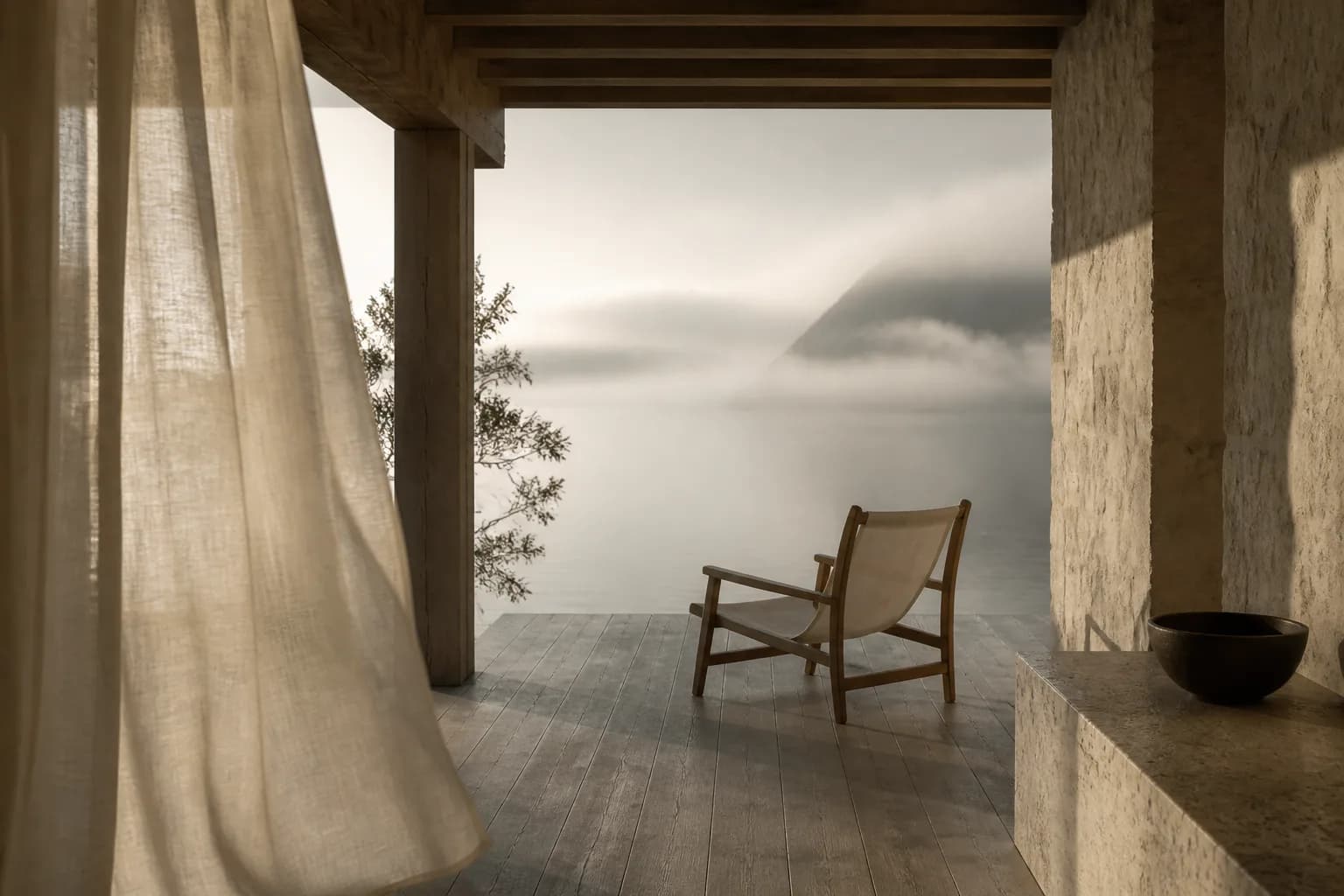
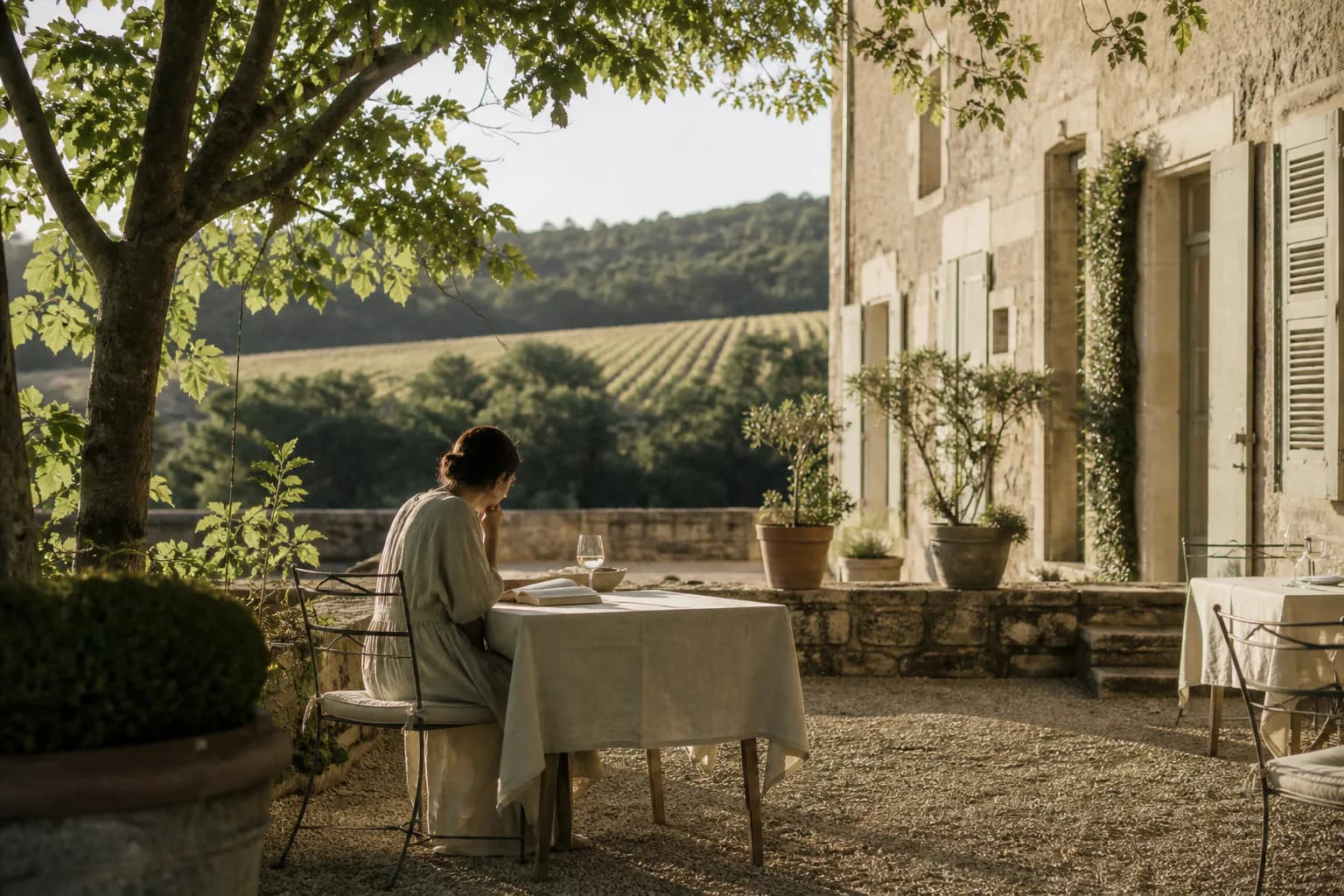
Night one is arrival, and arrival is work: unpacking, orienting, deciding about dinner, sleeping badly in a bed that is not yours. Night two is when people do the thing they came to do — the walk, the boat, the dinner they booked three months ago. Only on the third morning does anyone wake up without a plan, and a third morning without a plan is the whole product.
A third morning without a plan is the whole product.
What changes on the fourth
By the fourth day guests know the staff's names, which changes the register of every interaction in the building. They have found the chair they like. They order the thing they had yesterday. At Tamerin, where we have a four-night minimum, letters from guests are markedly different in tone from letters written anywhere else in the collection, and the four-night minimum is the only obvious variable.
What we have changed
- Rates fall on the fourth night at every house, and again on the seventh.
- Tamerin has a four-night minimum and Sabaia a three-night minimum, in both cases because a shorter stay is dominated by the transfer.
- We no longer sell a one-night stay at Aubris at all — the cellar hours, the bakehouse and the table cannot be fitted into a single evening without turning them into a schedule.
None of this is generosity. A longer stay is better for us in every respect: fewer arrivals to service, fewer rooms to turn, and guests who leave having actually had the experience we designed rather than a compressed sample of it.