Montreval
One moment.
Loading this page.

Montreval
One moment.
Loading this page.
About
Six privately held houses, kept small and staffed generously, for guests who are in no hurry.
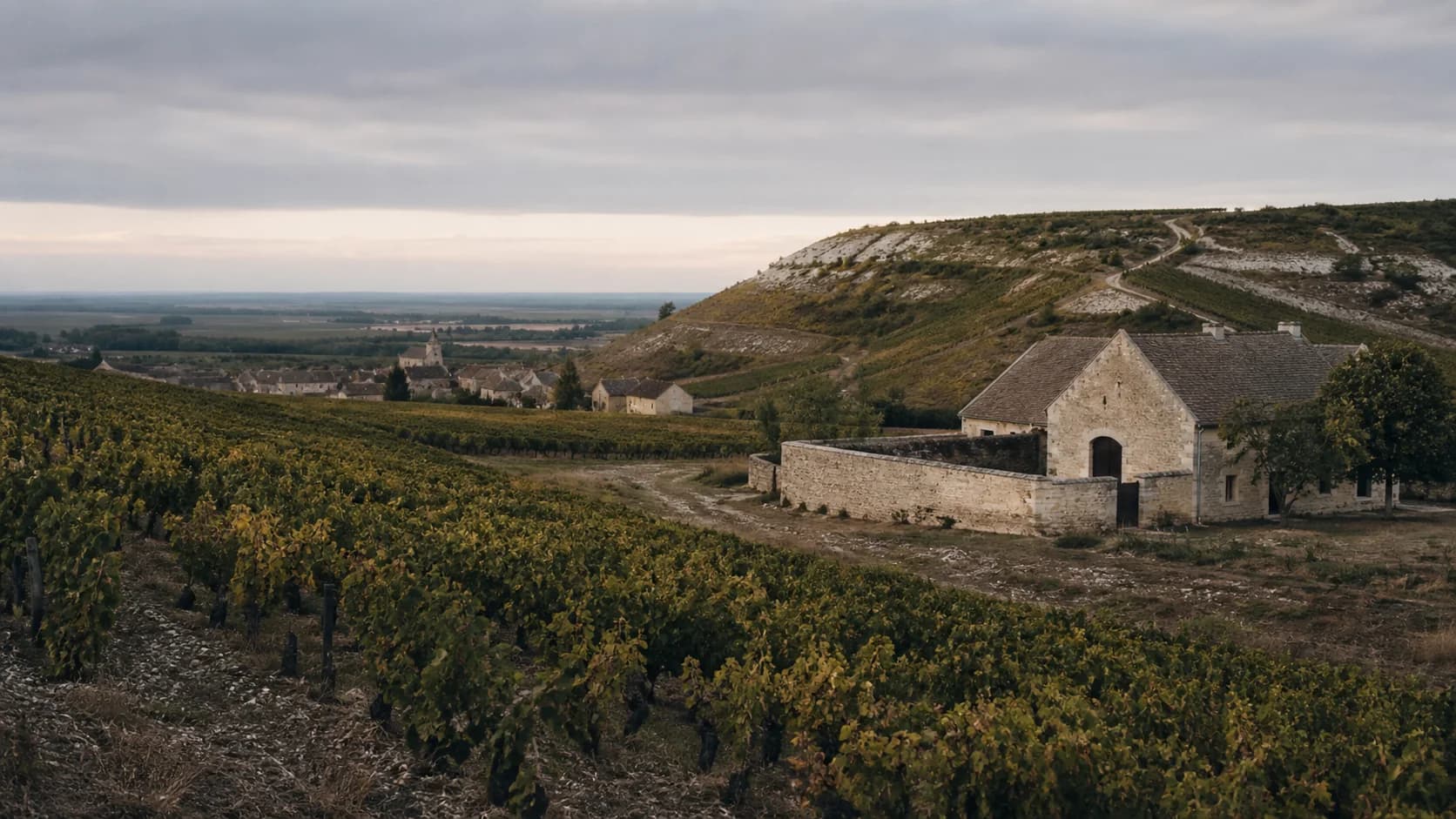
Montreval began in 1998 with a dairy farm in the Verane Valley that had stopped being a dairy farm, and an owner who had no particular intention of running a hotel. Camille Ferrand bought the buildings to stop them falling down. It took three years to work out what they wanted to be, and the answer arrived slowly enough to be right.
Montreval Verane opened in 2001 with nineteen rooms and eleven staff. It has thirty-eight rooms now and ninety-one staff, and the ratio between those two numbers is the closest thing we have to a strategy.
Five houses have followed, at roughly four-year intervals, and each was bought for the same three reasons: the place had to be somewhere you would go even if we were not there, the building had to be worth restoring rather than replacing, and there had to be someone locally who wanted to run it. We have turned down more sites than we have bought, almost always on the third condition.
We are not looking for a seventh with any urgency. When we describe ourselves as a small collection, that is a decision rather than a stage we are passing through.
Each director runs their own house. There is no group standard for how a bed is turned down, what music plays where, or whether there is music at all — at Aubris there is not. What is shared is a set of commitments about staffing levels, sourcing, pay, and being straightforward with guests about what a place is and is not.
We would rather tell you the sea is cold than have you find out at eleven o'clock in the morning with your shoes already off.
Montreval Hotels remains privately held, with no outside investment and no management contracts. We own the six buildings we operate. This is neither a virtue nor a business model — it is simply the arrangement that lets us close a hotel for the summer because it is too hot to enjoy it.
What we hold to
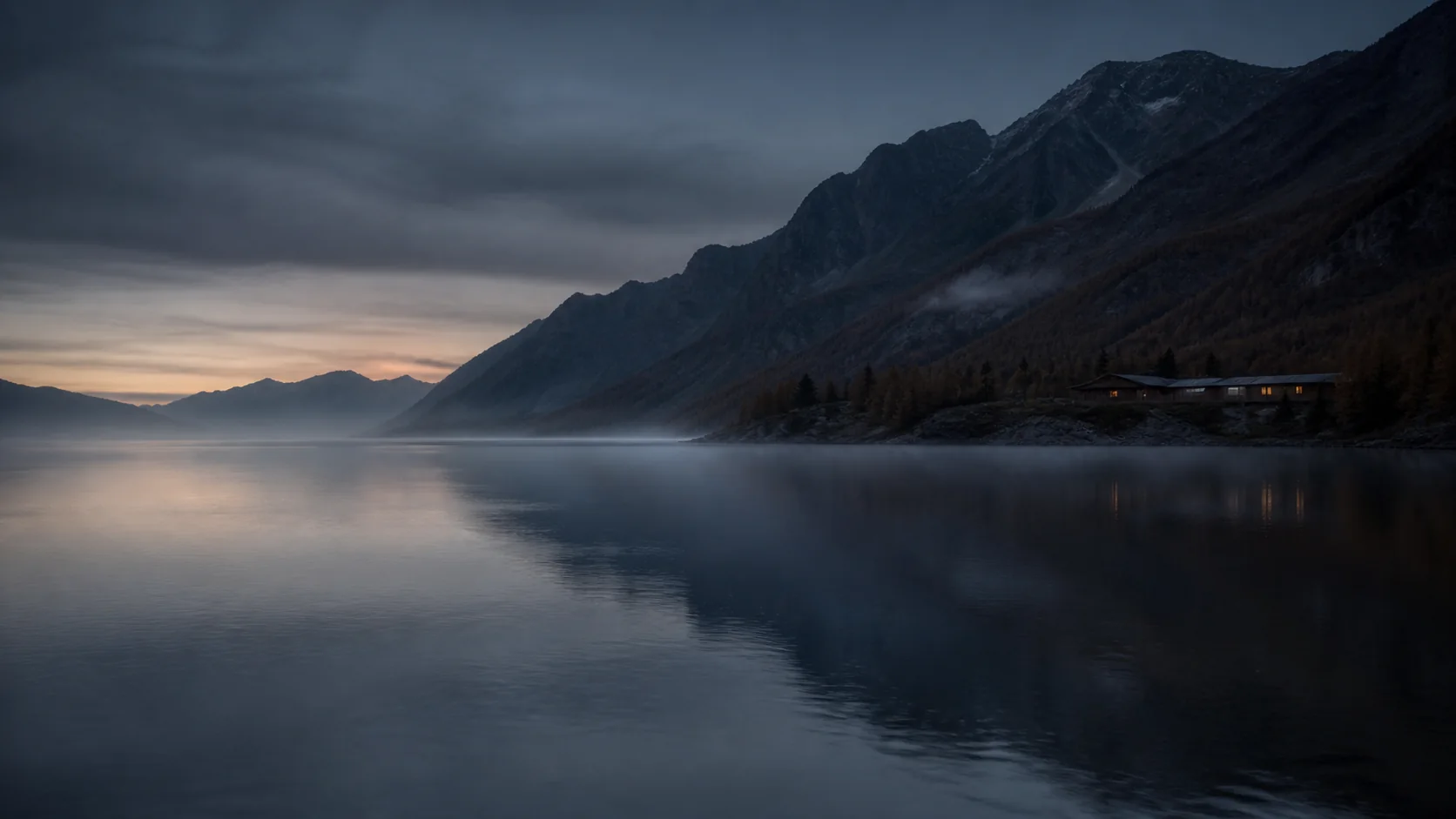
Each house was bought because of the place it stands in, restored with the materials of that place, and run by someone who lives there. Nothing is rolled out across the collection because it worked somewhere else.
We run about 2.4 staff per room, roughly twice the figure for our category. It is the most expensive decision we have made and the only one we have never revisited.
We close Sabaia in summer, we tell you when the sea is cold, and we say which rooms we would choose ourselves. A house that oversells itself only does it once.
Since 1998
1998
Camille Ferrand buys a disused dairy farm on the eastern shore of Lake Verane.
2001
Nineteen rooms and eleven staff. The lake wing and Cimaise follow in 2006.
2009
A convent, then a lemon farm, reopens on four terraces above Manda Cove.
2013
Eleven hectares of vines and a chalk cellar. The cellar is restored before the roof.
2017
A camp designed to be struck and the ground returned to sand within eleven weeks.
2019
Villas cut at the Manda boatyard, shipped in pieces, and assembled by the people who built them.
2022
Thirty-one rooms on the northern shore, and a bathhouse standing over the fjord.
2025
All six houses certified after a two-year assessment. Level III is the target for 2028.
Who we are
Six people run the group. Everyone else runs a house, which is the more consequential job.
Founder — Verane
Bought the farm at Verane in 1998 without intending to open a hotel. Still lives in the valley and still reads every guest letter, which takes her most of a Tuesday.
Managing Director — Ostrelle
Joined in 2011 from a group four times our size, and has spent fourteen years arguing successfully against growing to match it.
Director of Houses — Ostrelle
Responsible for how the six houses are run and, more particularly, for how differently they are allowed to be run. Spends about two hundred nights a year in them.
Culinary Director — Calanera
Oversees eight kitchens without writing a single menu. His role, as he describes it, is to hire well and then get out of the way at about four in the afternoon.
Director of Sérène — Lindhavn
Built the wellness programme around four treatments per house rather than nineteen, and defends that number annually.
Director of Sustainability — Sabaia
Runs the Verdant Standard programme and publishes the figures that are not going well alongside the ones that are.
Recognition
House of the Year
Voyage & Verdure Awards
2025
The Fifty Quiet Places
The Slow Travel Index
2025
Kitchen of the Year, for Table d'Aubris
Continental Review
2024
Restoration Prize, for the Manda terraces
Atlas Architecture Council
2023
Verdant Standard, Level II
The Verdant Standard
2025
Written about
“A collection that has worked out something most of its competitors have not: that the luxury guests actually want is having fewer things to decide.”
Continental Review, 2026
“Lindhavn's bathhouse is the best room built anywhere in hospitality this decade, and it contains a bench, a window and a hole in the floor.”
The Quiet Traveller, 2025
“Montreval publishes the months it thinks you should not visit. It is disarming, and it works.”
Marque, 2025
About this website
This site is a HubZero Blueprint — a reference implementation of the Hospitality architecture in the Luxury design language. Every house, person, rate, award, guest letter and telephone number on it was written for the demonstration. None of it is real, and none of it is adapted from any real company, person or place.
There is no booking engine and no server behind these pages. Every enquiry route on the site opens your own telephone or email application rather than collecting anything, because a form that quietly discards what it is given would be the one dishonest thing on an otherwise honest website.
HubZero builds blueprints like this one as production-ready foundations for real businesses.
Reservations
Our own team answers, not an agency. Rates fall on the fourth night and again on the seventh, which tells you what we would prefer.