Montreval
One moment.
Loading this page.

Montreval
One moment.
Loading this page.
The Verane Valley
A glacial lake, a larch forest and eleven months of weather.
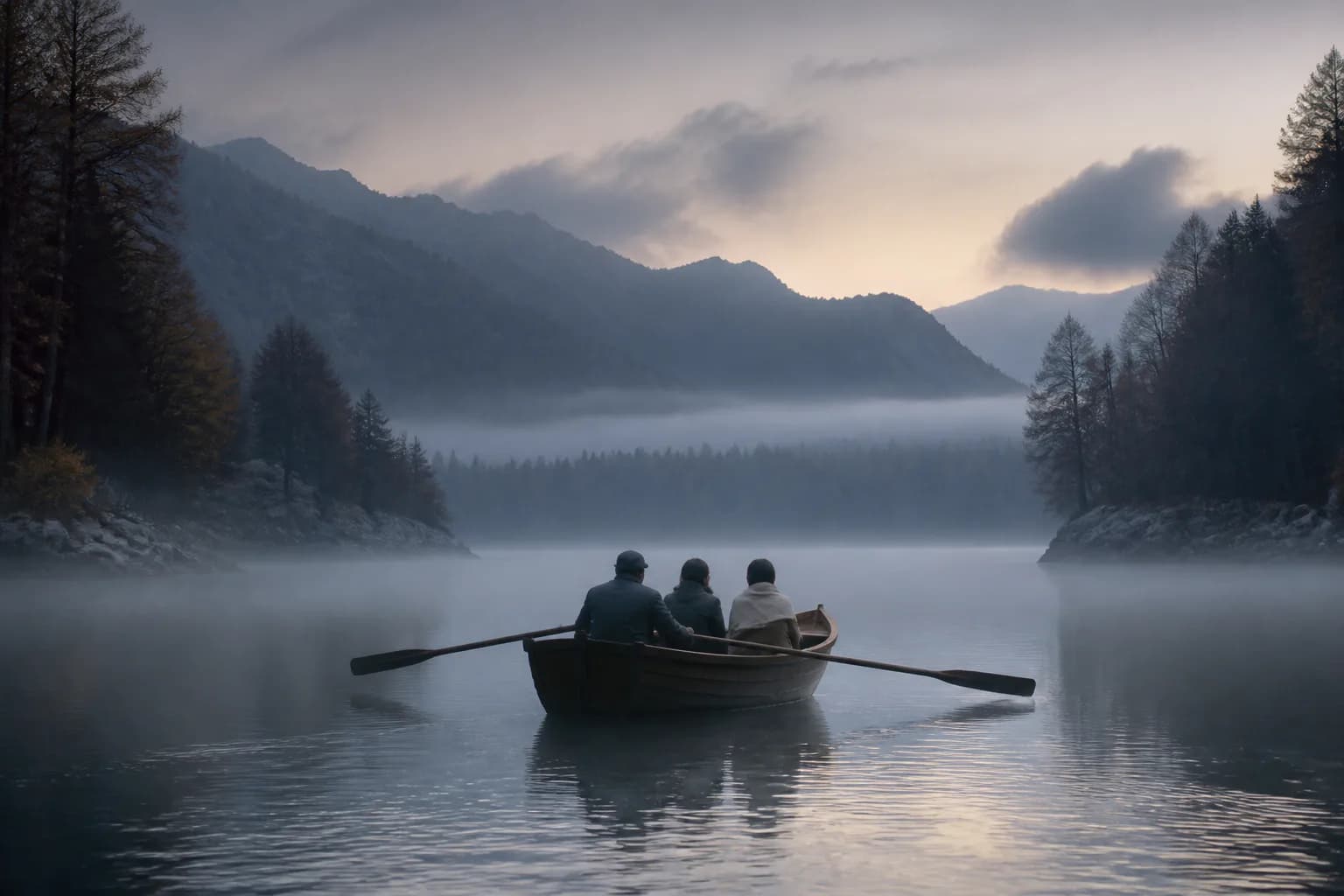
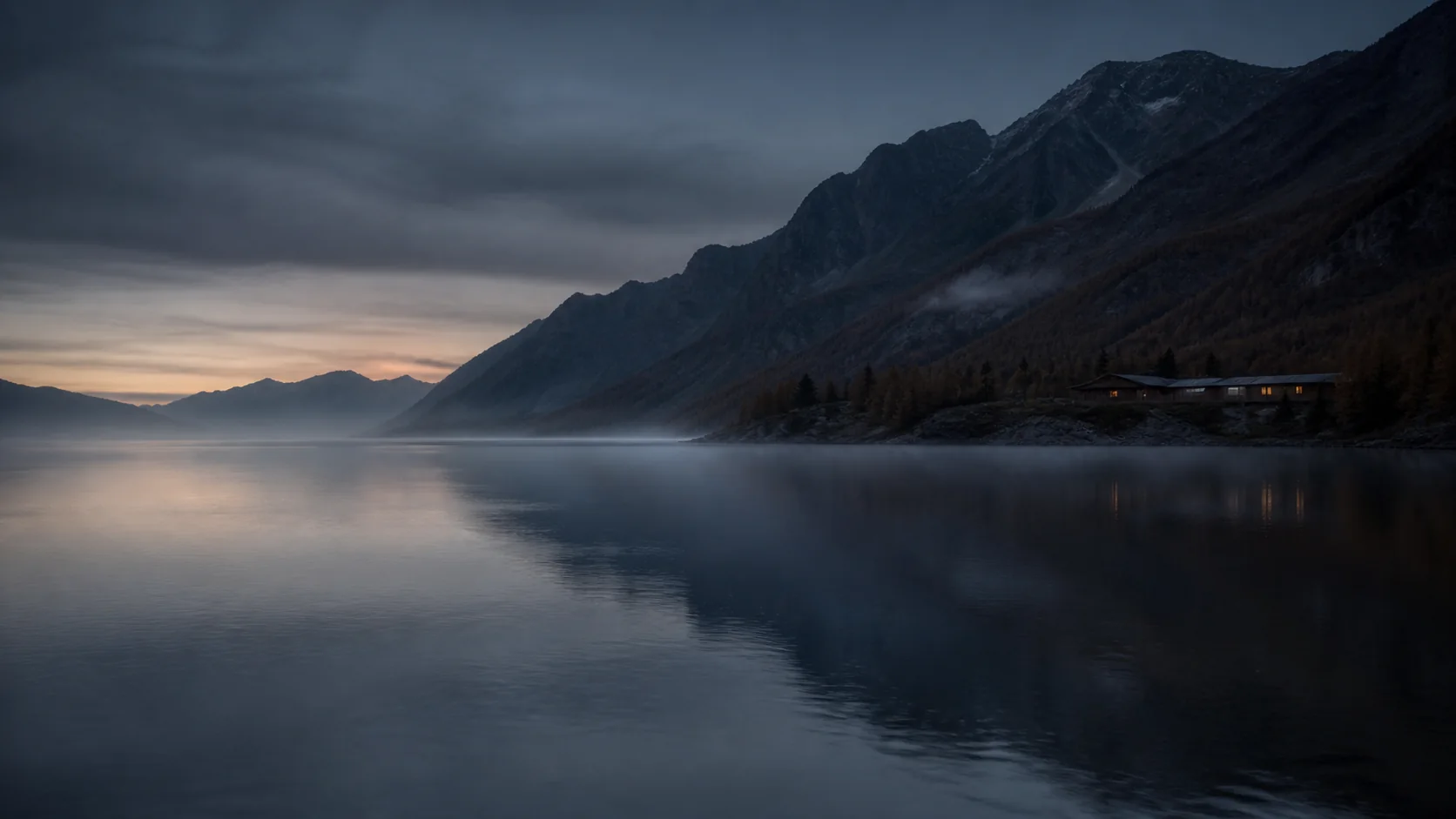
The valley runs north to south, which is why the light lasts so long here. Lake Verane holds it — pewter at six in the morning, green by noon, and by early evening a colour our first head gardener described in his notebooks as "the inside of a shell". Guests who arrive intending to walk often spend the first day watching instead.
There is one road. It ends at the northern boathouses, so nothing passes through Verane on its way to somewhere else. The village holds a bakery, a school of thirty-one children, a chapel with an unreliable bell, and the co-operative dairy that supplies our kitchens with the butter guests write to us about.
Above the eastern shore, larch gives way to limestone at around 1,400 metres. The forest is worked, not preserved: thinned on a fourteen-year cycle by four families who have held the licence for longer than anyone has kept records. Our foresters walk guests through it most mornings from May, which is the only honest way to explain why a working forest is quieter than a protected one.
June and September are the valley at its most generous — long light, warm water, and the paths dry underfoot. February is the valley at its most itself: the lake steaming at dawn, the road salted before six, and almost nobody in it.
The place, in short
When to come
May to October, and February for the ice
Getting there
Ostrelle International, then 95 minutes by road. We meet every arrival; the last stretch is a single-track pass and better driven by someone who knows it.
Experiences
Reservations
Our own team answers, not an agency. Rates fall on the fourth night and again on the seventh, which tells you what we would prefer.